
Painting Peonies: Why Doing One Thing Slowly Changes Everything
Jue Feng
5/4/20263 min read
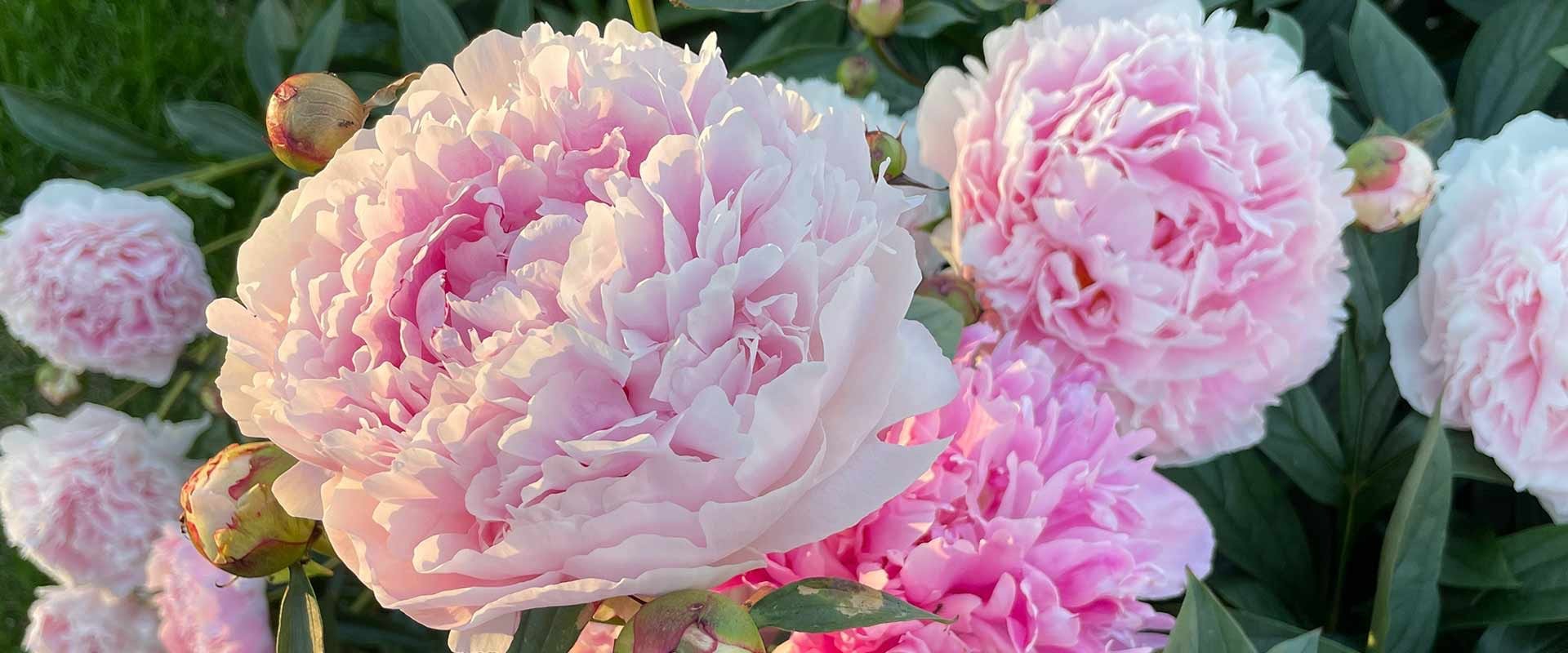
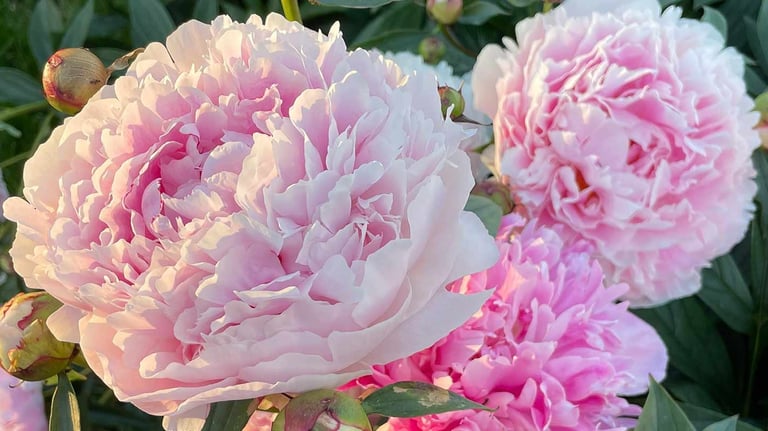
There is a particular kind of difficulty that nobody warns you about when you start painting.
It is not the technique. It is not the colour mixing, or knowing how wet the brush should be, or understanding why the paint blooms the way it does on damp paper.
The difficulty is this: you have to stop trying to fix things.
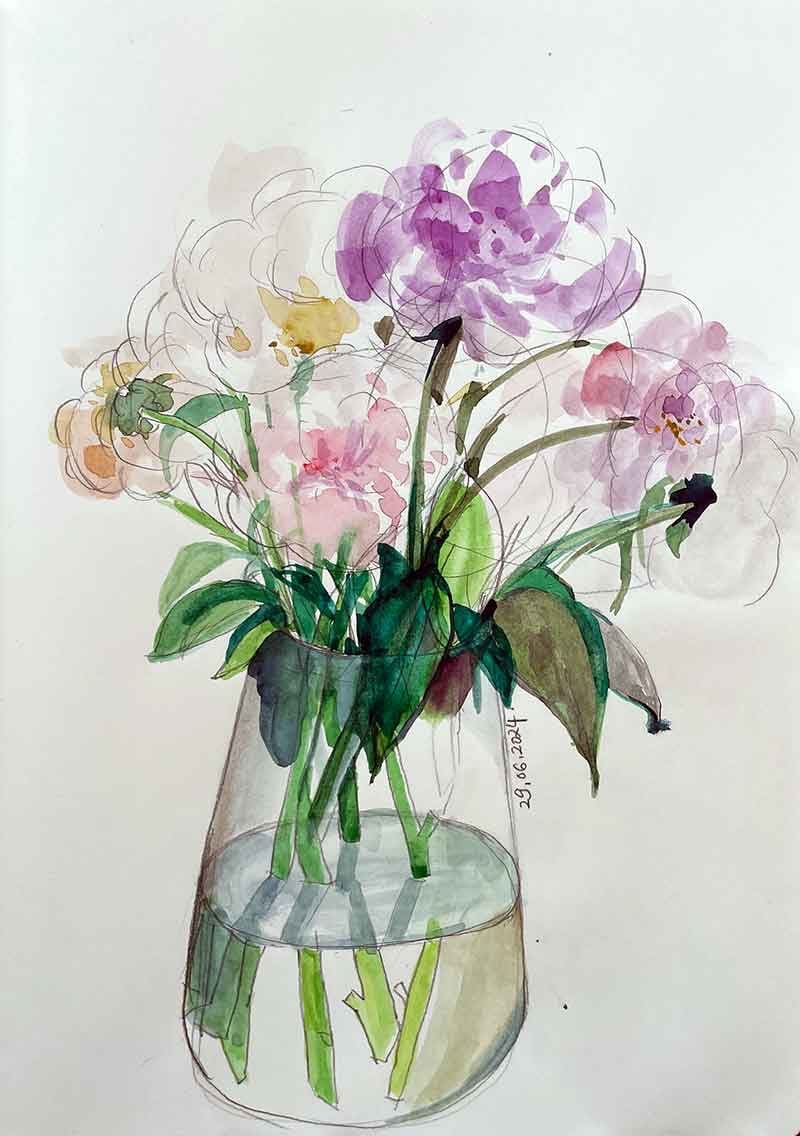
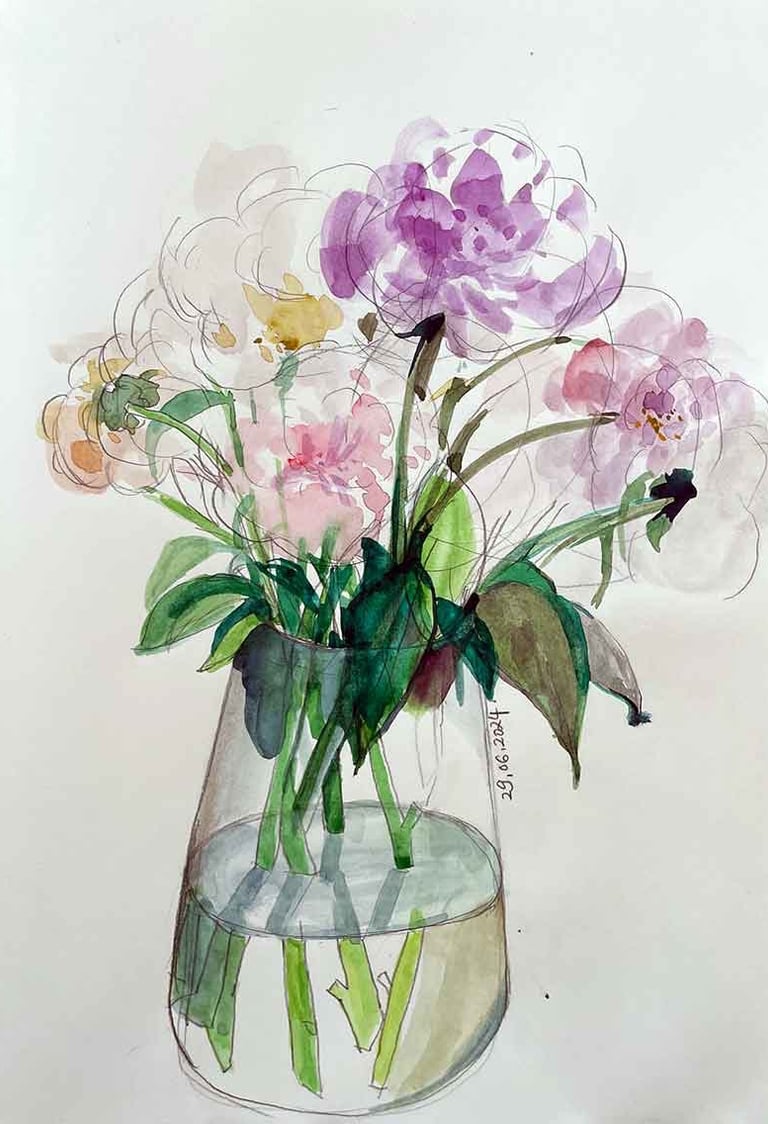
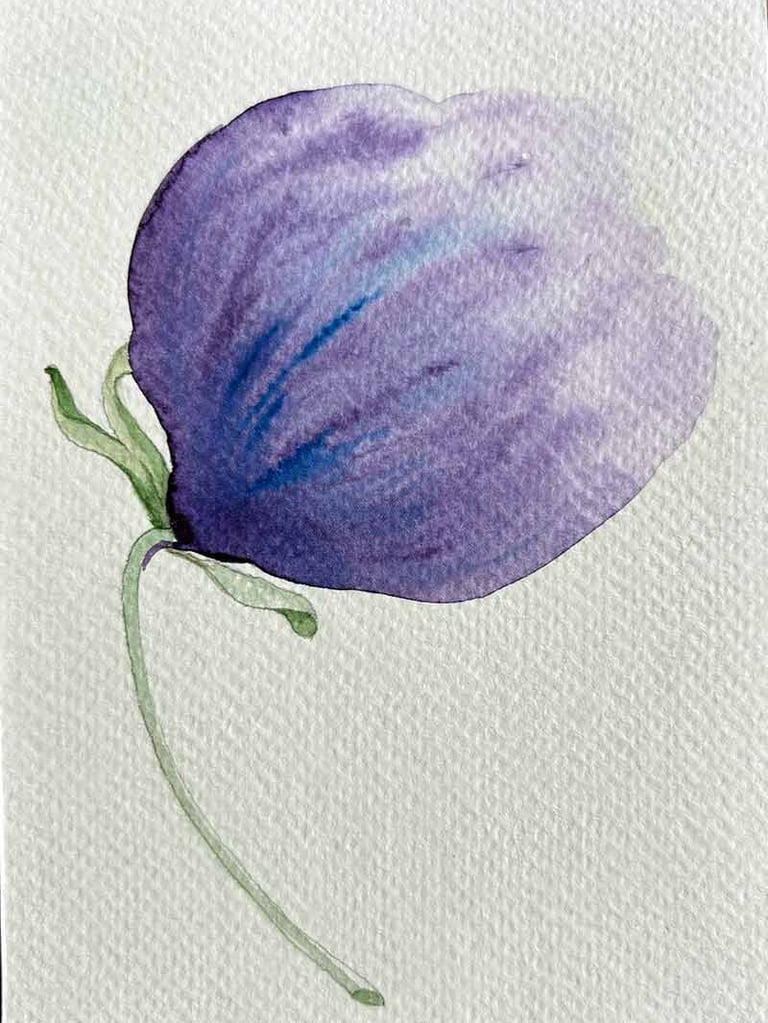
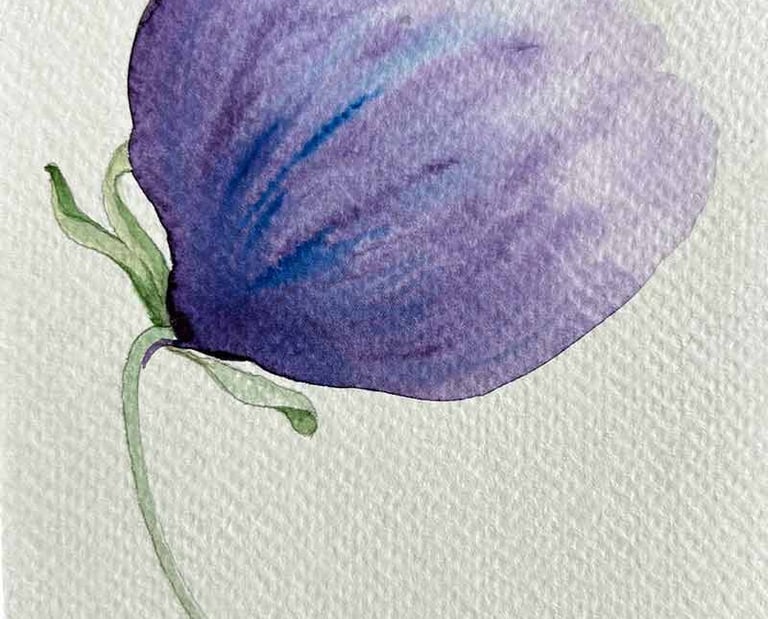
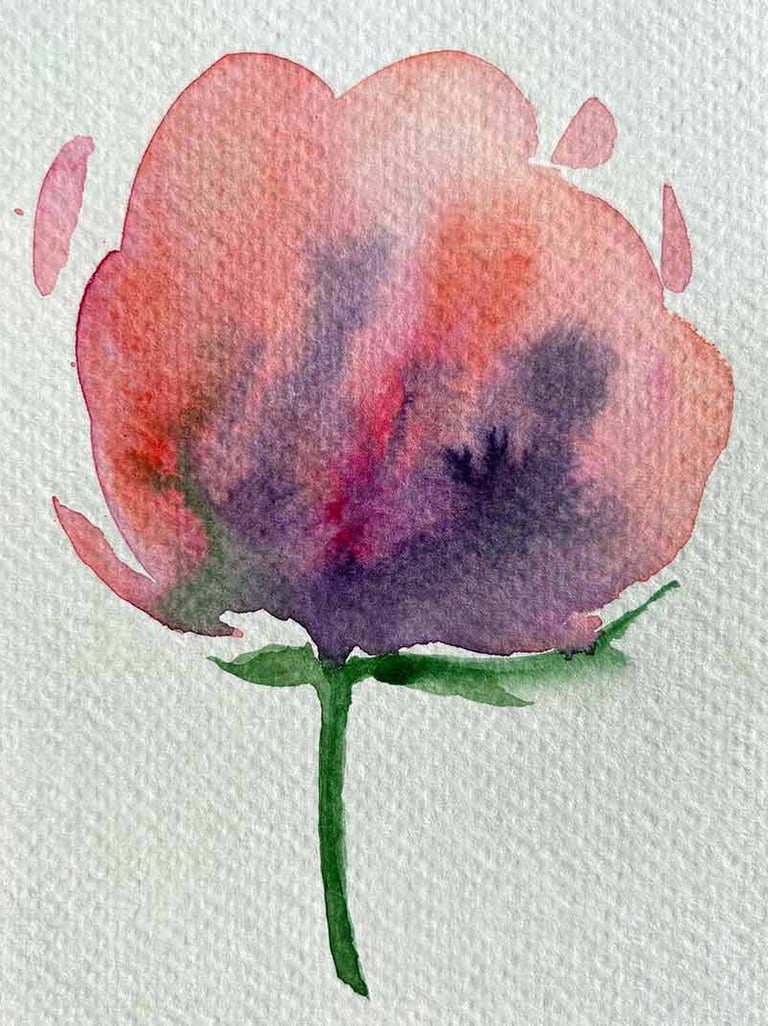
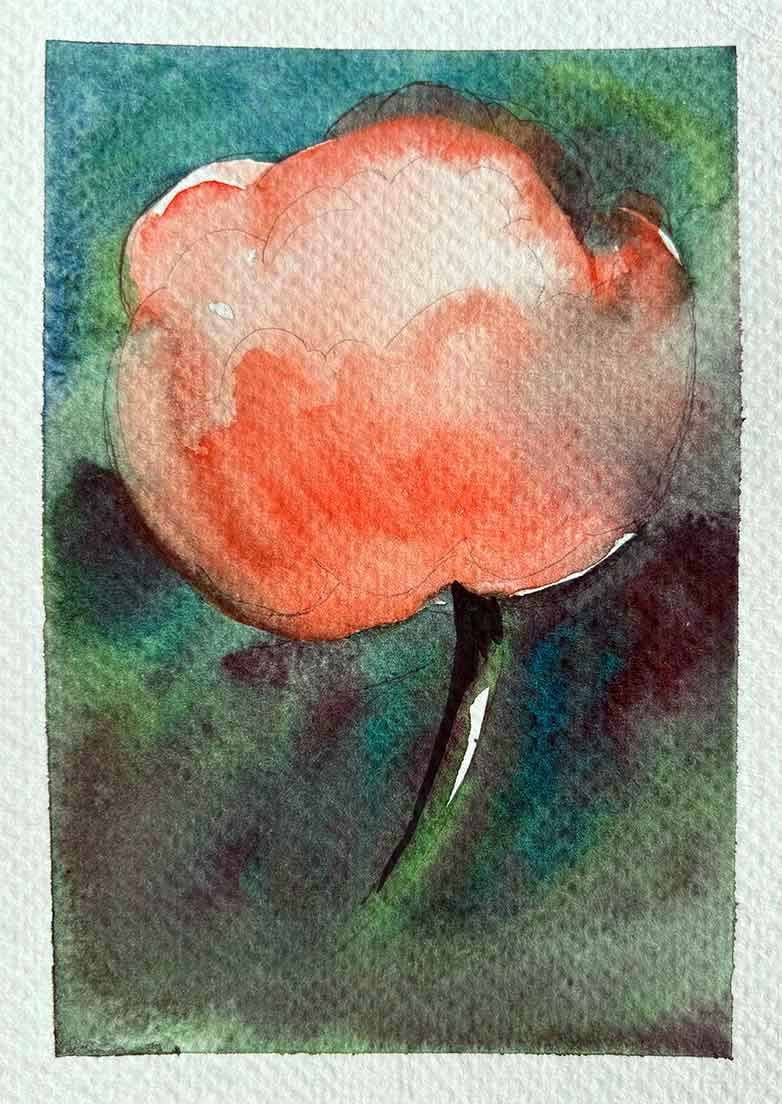
Peonies teach you this faster than almost any other subject. They are extravagant, layered, never quite symmetrical — and painting them asks something of you that our daily lives rarely do. They ask you to trust what is already on the paper. To add one brushstroke, and then wait. Let the layer dry completely before continuing. To hold your attention so steadily on what is in front of you that the urge to correct, to control, to overwork — slowly, quietly — dissolves.
This is harder than it sounds. Most of us spend our days fixing things. Adjusting, optimising, responding. The idea of placing something imperfect on a page and simply — leaving it there — feels almost wrong at first.
But that moment of release is exactly where the painting begins to breathe.
What I notice in the room
People arrive at a Colorwell workshop carrying something invisible. A mixture of excitement and quiet dread — the fear of disappointment, of discovering they cannot do this, of being seen trying. They sit down carefully. They look at the blank paper.
And then the work begins, and something happens that I have come to recognise as one of the most honest emotional experiences I know: the rollercoaster of making something by hand, in real time, with no undo button.
Some people are satisfied early. Others struggle through the whole session. But what I have noticed — in every workshop, without exception — is that the moment that matters most is not when they finish. It is when someone looks at their work and finds the beauty in it.
As a facilitator in these workshops, it’s not to teach technique alone, but to look at what each person has made and describe, specifically and honestly, what I see. The light in the wet wash. The confidence in an unexpected stroke. The way the layers were built, one on top of another, into something they did not plan but could not have designed better.
That description — that moment of being truly seen in your work — is when the hard effort becomes a tangible reward. When uncertainty becomes satisfaction. When a person looks at a painting they made with their own hands and thinks: I did not know I could do this.
Why peonies, this May
The peony is, in many ways, the perfect subject for what Colorwell is about.
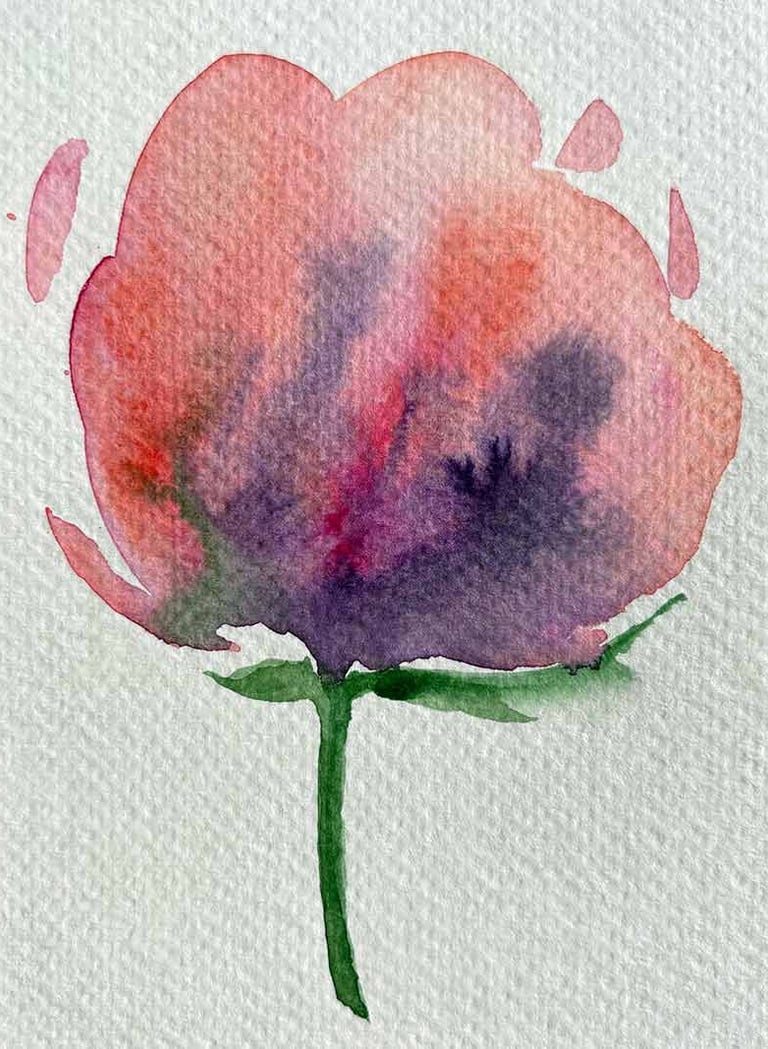
Painting peonies is not a pursuit of minimalism. It does not reward rushing. It opens slowly, in its own time, in layers that only make sense when you step back and see the whole. Painting peony asks for the same quality of attention — present, patient, trusting the process even when individual strokes seem uncertain.
We live in a world that rewards the opposite: speed, efficiency, and clean resolution. The peony insists on none of these things. It is simply, fully, extravagantly itself.
For two hours this May, we will paint peonies together at Oodi Library. Step by step, layer by layer. No experience needed — only the willingness to put down the phone, pick up a brush, and find out what happens when you give one thing your complete attention.
Connect
© 2026. All rights reserved.
Pilot Workshop
Inspire